
The rich biodiversity of Argentine Patagonia
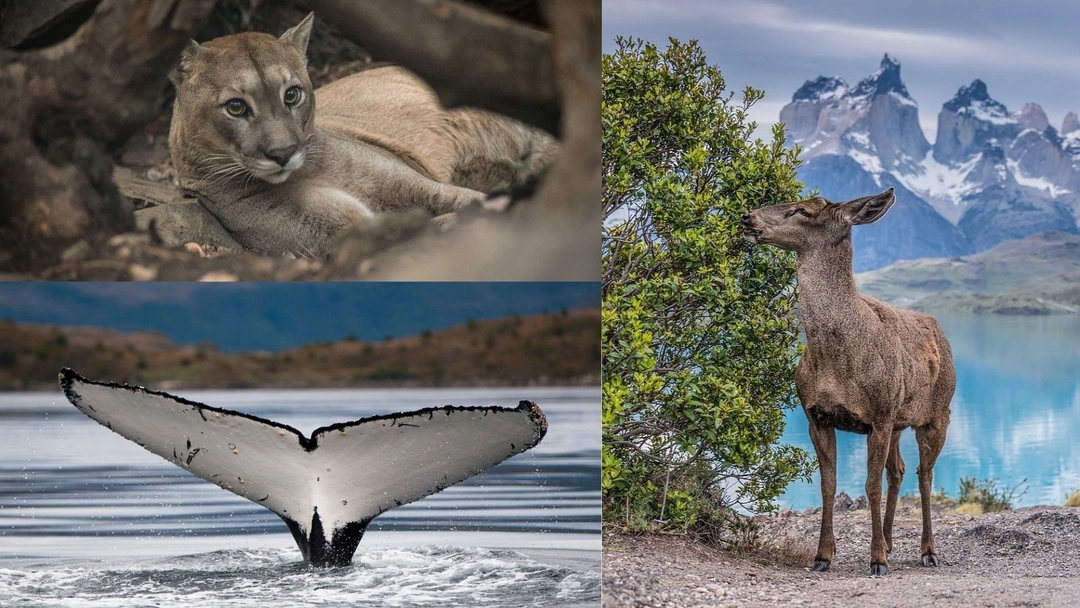
Argentine Patagonia is one of the world’s biodiversity treasures, hosting unique ecosystems that range from Andean forests to steppe grasslands and coastal marine environments. Its richness lies in the coexistence of species adapted to extreme climates, high mountains, and vast plains.
? Key Ecosystems
-
Andean-Patagonian Forests: Dense woodlands of lenga (Nothofagus pumilio), coihue (Nothofagus dombeyi), and ñire (Nothofagus antarctica). These forests shelter mammals like the pudú (the world’s smallest deer) and birds such as the Magellanic woodpecker.
-
Steppe and Shrublands: Dominated by grasses and cushion plants, home to guanacos, Patagonian maras, and armadillos. Raptors like the Andean condor soar above these open landscapes.
-
High Mountain Flora: Vascular plants adapted to cold, dry conditions, including cushion-forming species and endemic herbs found only in the Patagonian Andes.
-
Coastal and Marine Zones: Rich in marine biodiversity, with colonies of Magellanic penguins, sea lions, elephant seals, and migratory whales along the Atlantic coast.
? Iconic Species
-
Mammals: Guanaco, huemul (endangered deer), puma, Patagonian mara.
-
Birds: Andean condor, Darwin’s rhea, Magellanic penguin, Austral parakeet.
-
Marine Life: Southern right whale, orcas, elephant seals.
-
Plants: Endemic cushion plants, lenga and coihue forests, high-altitude herbs.
? Conservation Importance
-
Patagonia’s biodiversity is highly vulnerable to climate change, overgrazing, and deforestation.
-
Endangered species like the huemul deer are symbols of conservation efforts.
-
Protected areas such as Los Glaciares National Park and Nahuel Huapi National Park safeguard ecosystems, but connectivity between habitats remains a challenge.
? Overview Table
| Ecosystem | Representative Species | Conservation Concerns |
|---|---|---|
| Andean Forests | Pudú, Magellanic woodpecker | Logging, habitat fragmentation |
| Steppe Grasslands | Guanaco, Patagonian mara | Overgrazing, desertification |
| High Mountain Flora | Cushion plants, endemic herbs | Climate change, limited distribution |
| Coastal/Marine Areas | Penguins, whales, sea lions | Tourism pressure, pollution, fisheries |
Sources:
⚠️ Challenges & Risks
-
Overgrazing by livestock threatens native steppe vegetation.
-
Climate change shifts species ranges, especially in high-altitude ecosystems.
-
Tourism and urban expansion put pressure on fragile coastal and forest habitats.
-
Poaching and invasive species (like European deer and trout) disrupt native populations.
Patagonia’s biodiversity is not just a natural wonder—it’s a living laboratory of adaptation and resilience. Protecting it means balancing human activity with ecological integrity.