
Tango, the popular music of Argentina
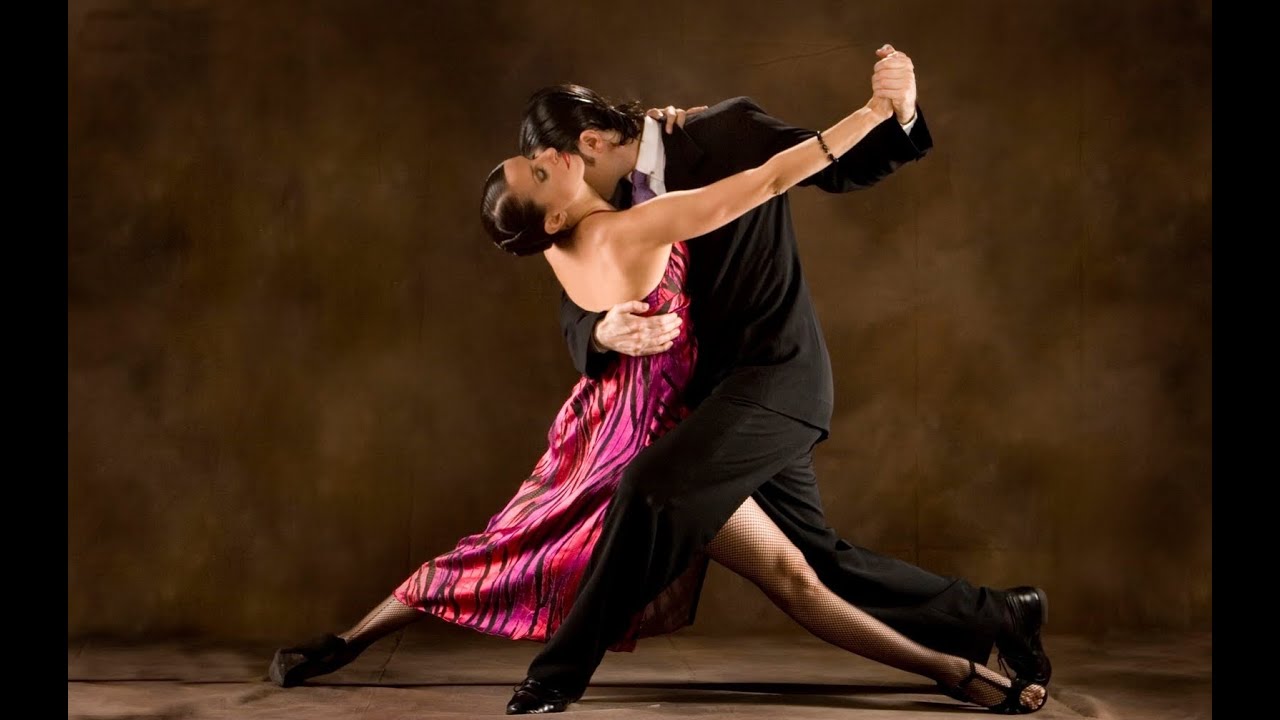
Tango is Argentina’s most iconic musical genre, born in Buenos Aires in the late 19th century, blending African rhythms, European melodies, and criollo traditions into a passionate, dramatic style. It is both a music and dance form, deeply tied to Argentine identity and culture.
? Origins and Evolution
-
Birthplace: Tango emerged in the working-class neighborhoods of Buenos Aires and Montevideo around the 1880s.
-
Influences: It fused African candombe rhythms, European polkas and waltzes, and local milonga.
-
Early Tango: Initially considered scandalous due to its sensual dance style, it later gained respectability and spread internationally.
-
Golden Age (1930s–1950s): Tango orchestras flourished, with artists like Carlos Gardel, Osvaldo Pugliese, and Juan D’Arienzo shaping its sound.
-
Tango Nuevo: In the mid-20th century, Astor Piazzolla revolutionized tango by blending it with jazz and classical music, creating a more experimental style.
? Key Characteristics
-
Instruments: Bandoneón (a type of accordion) is the soul of tango, accompanied by violin, piano, double bass, and guitar.
-
Mood: Melancholic, dramatic, and passionate, often expressing themes of love, loss, and nostalgia.
-
Dance: Tango dance is characterized by close embrace, improvisation, and intricate footwork, symbolizing intimacy and tension.
? Global Impact
-
Tango spread to Europe (especially Paris) in the early 20th century, where it became fashionable among elites.
-
UNESCO declared Tango a part of the Intangible Cultural Heritage of Humanity in 2009, recognizing its cultural importance.
-
Today, tango festivals and competitions are held worldwide, keeping the tradition alive while embracing modern variations.
? Famous Songs & Artists
| Artist | Iconic Songs | Contribution |
|---|---|---|
| Carlos Gardel | Por una Cabeza, El día que me quieras | Elevated tango to international fame |
| Julio Sosa | Cambalache, Mano a Mano | Known as “El Varón del Tango” |
| Osvaldo Pugliese | La Yumba | Innovator of tango orchestras |
| Astor Piazzolla | Libertango, Adiós Nonino | Creator of Tango Nuevo |
Sources:
? Why Tango Matters
Tango is more than music—it’s a cultural expression of Argentina’s soul, reflecting the struggles and passions of its people. Its lyrics often capture urban life, longing, and resilience, making it a living testimony of Argentine history.