
Santiago del Estero
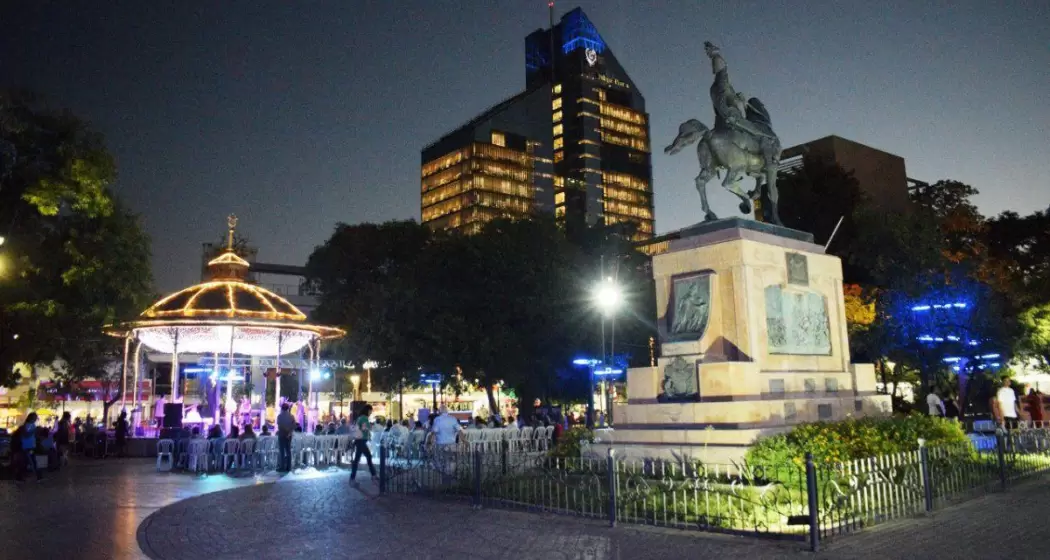
Santiago del Estero Province is often called the “Mother of Cities” because it contains the oldest continuously inhabited European settlement in present-day Argentina, founded in 1553. Beyond its colonial history, the province is one of northern Argentina’s most distinctive regions for ecotourism, wetlands, forests, thermal springs, and wildlife.
Tourism Highlights
Colonial Heritage and Culture
The provincial capital, Santiago del Estero, preserves some of the country’s oldest churches, museums, and traditions.
Key attractions include:
- Cathedral Basilica of Santiago del Estero
- Convento de Santo Domingo
- Centro Cultural del Bicentenario
The province is also strongly associated with traditional folklore music such as chacarera and zamba, especially through artists like Los Carabajal.
Thermal Tourism
Termas de Río Hondo is Argentina’s best-known thermal spa destination. Visitors come for:
- Hot mineral springs
- Wellness resorts and spas
- Water sports on the Río Hondo reservoir
- Motorsport events at Autódromo Internacional de Termas de Río Hondo
Nature and Ecotourism
The province combines dry forests, wetlands, and river ecosystems. Popular activities include:
- Birdwatching
- Wildlife photography
- Fishing
- Rural tourism
- Kayaking and boating
One of the most important protected areas is:
- Parque Nacional Copo
This national park preserves part of the Gran Chaco forest ecosystem.
Biodiversity
Santiago del Estero lies largely within the Gran Chaco, South America’s second-largest forest biome after the Amazon. The region contains:
- Dry subtropical forests
- Thorn woodlands
- Wetlands and lagoons
- River corridors
Representative Wildlife
The province hosts many native species, including:
- Jaguar (historically present, now extremely rare)
- Giant anteater
- Puma
- Chacoan peccary
- Maned wolf
- Greater rhea
Bird diversity is especially rich, with woodpeckers, parrots, herons, and migratory species.
Native Flora
Typical vegetation includes:
- Quebracho forests
- Algarrobo trees
- Cacti and thorn scrub
- Carob and chañar species
These ecosystems are adapted to hot temperatures and seasonal droughts.
Why It Matters Environmentally
The Chaco ecosystem in Santiago del Estero is ecologically important but faces pressures from:
- Deforestation
- Agricultural expansion
- Habitat fragmentation
- Water stress
Protected areas and sustainable tourism initiatives are increasingly important for conservation and local economies.
For official tourism information: