
Neuquen, the land of dinosaurs par excellence
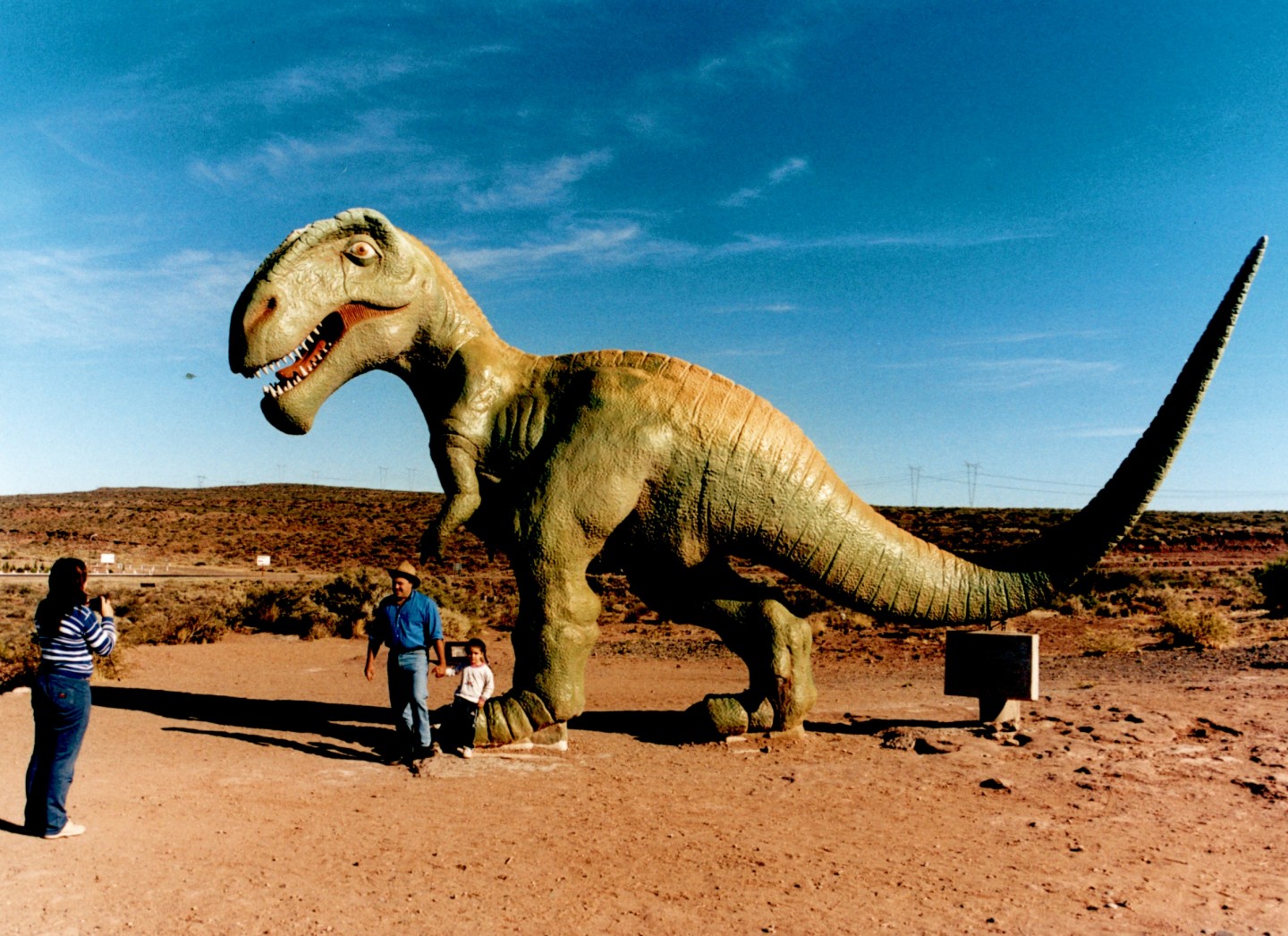
Neuquén Province in Argentine Patagonia truly earns the title "the land of dinosaurs par excellence." This region in the Neuquén Basin stands out as one of the world's richest paleontological hotspots, with exceptional fossil preservation from the Cretaceous period (roughly 100–80 million years ago). Vast arid landscapes, ancient river systems, and lakebeds have yielded some of the largest and most complete dinosaur remains ever found, alongside tracks, eggs, and associated fauna like crocodiles, turtles, and plants.
Iconic Dinosaurs from Neuquén
- Argentinosaurus huinculensis: One of the largest land animals known, a massive titanosaur sauropod (long-necked herbivore) estimated at 30–35 meters long and weighing 65–80 tons. Fossils were discovered near Plaza Huincul, with key remains displayed at the local museum.
- Giganotosaurus carolinii: A giant carnivorous theropod, larger than Tyrannosaurus rex in some measurements (up to ~13 meters long). Discovered near Villa El Chocón in 1993, its skeleton is a centerpiece exhibit elsewhere in the province. It likely preyed on large herbivores in its ecosystem.
- Other notable finds include Futalognkosaurus dukei (one of the most complete giant sauropods), Neuquensaurus (a smaller armored titanosaur), Megaraptor, and various titanosaurs. Petrified forests, dinosaur tracks (including at lakeside sites), and even nests with embryos add to the richness.
As recently as January 2026, scientists announced Yeneen houssayi, a new ~12-meter-long titanosaur sauropod from the Bajo de la Carpa formation in Neuquén—another giant herbivore from the Late Cretaceous.
Must-Visit Paleontological Sites
Neuquén offers an accessible "Dinosaur Route" blending museums, active digs, and outdoor experiences:
- Museo Municipal Carmen Funes (Plaza Huincul): Houses original fossils and a massive reconstruction of Argentinosaurus huinculensis. It also features other Patagonian dinosaurs and local history. A highlight for seeing the scale of these giants up close.
- Ernesto Bachmann Paleontological Museum (Villa El Chocón): Features the impressive Giganotosaurus carolinii skeleton. Nearby are petrified forests, dinosaur tracks along the shores of Lake Ezequiel Ramos Mexía, and the "Cretaceous Valley."
- Proyecto Dino / Lago Barreales Paleontological Center: South America's only public-access dinosaur excavation site (near Cutral Có/Plaza Huincul area). Visitors can tour active digs, see bones in situ, touch fossils, and explore a Cretaceous ecosystem reconstruction. Guided tours available; it's an immersive "be a paleontologist" experience.
Additional stops include sites around Rincón de los Sauces, Auca Mahuida (nesting sites), and the Paleontological Museum at the National University of Comahue in Neuquén city.
Why Neuquén Stands Out
The province's geology—fluvial and lacustrine deposits in the Neuquén Group—preserved not just isolated bones but entire ecosystems. Discoveries here have reshaped our understanding of titanosaur dominance in southern continents during the Late Cretaceous. Many finds come from oil/gas exploration areas, turning industrial zones into scientific treasures.
The region pairs paleontology with modern attractions: stunning Patagonian landscapes, lakes, hiking trails (like "Las Huellas" with dinosaur traces), and even wine tourism (Neuquén produces excellent Pinot Noir). Themed spots like dinosaur hotels or restaurants add fun.
If you're planning a visit, the "Ruta de los Dinosaurios" circuit connects these sites efficiently by road. Museums are generally affordable and family-friendly, with some open daily. Always check current hours and tour requirements (e.g., guides for active sites).
Neuquén continues to reveal secrets—new species and records emerge regularly, proving it's not just a land of ancient giants, but a living laboratory for Earth's prehistoric past. Whether you're a dinosaur enthusiast, scientist, or curious traveler, it's an unforgettable destination.